Selected Work

The class that listens back.

Nashville entrepreneurs learning to price their first businesses — and a workshop that gets rebuilt after every session based on what they say. We teach customer-ing. So the class practices it.
Who:
Corner to Corner — The Academy Alumni Program
Where:
Nashville, Tennessee
What:
Teaching
Curriculum Design
Workshop Facilitation
— Why

The scariest subject in the room.

Corner to Corner is a community-led Nashville nonprofit whose Academy teaches neighbors to plan, start, and grow their own businesses — over 1,400 alumni and counting, putting tens of millions back into the neighborhood economy. Their Alumni Program keeps graduates growing, and that's where the hardest subject lives: pricing.

Most first-time business owners will talk about their product all day and freeze at the numbers. The invitation was simple — make pricing make sense, for people building their first business, without talking down to a single one of them.

What we heard

Everyone in the room already runs a P&L. It's called a budget.

So that's where the class starts — income, expenses, what's left — and walks it straight into a real income statement: revenue, cost of goods, margin, profit. Same math, new names.

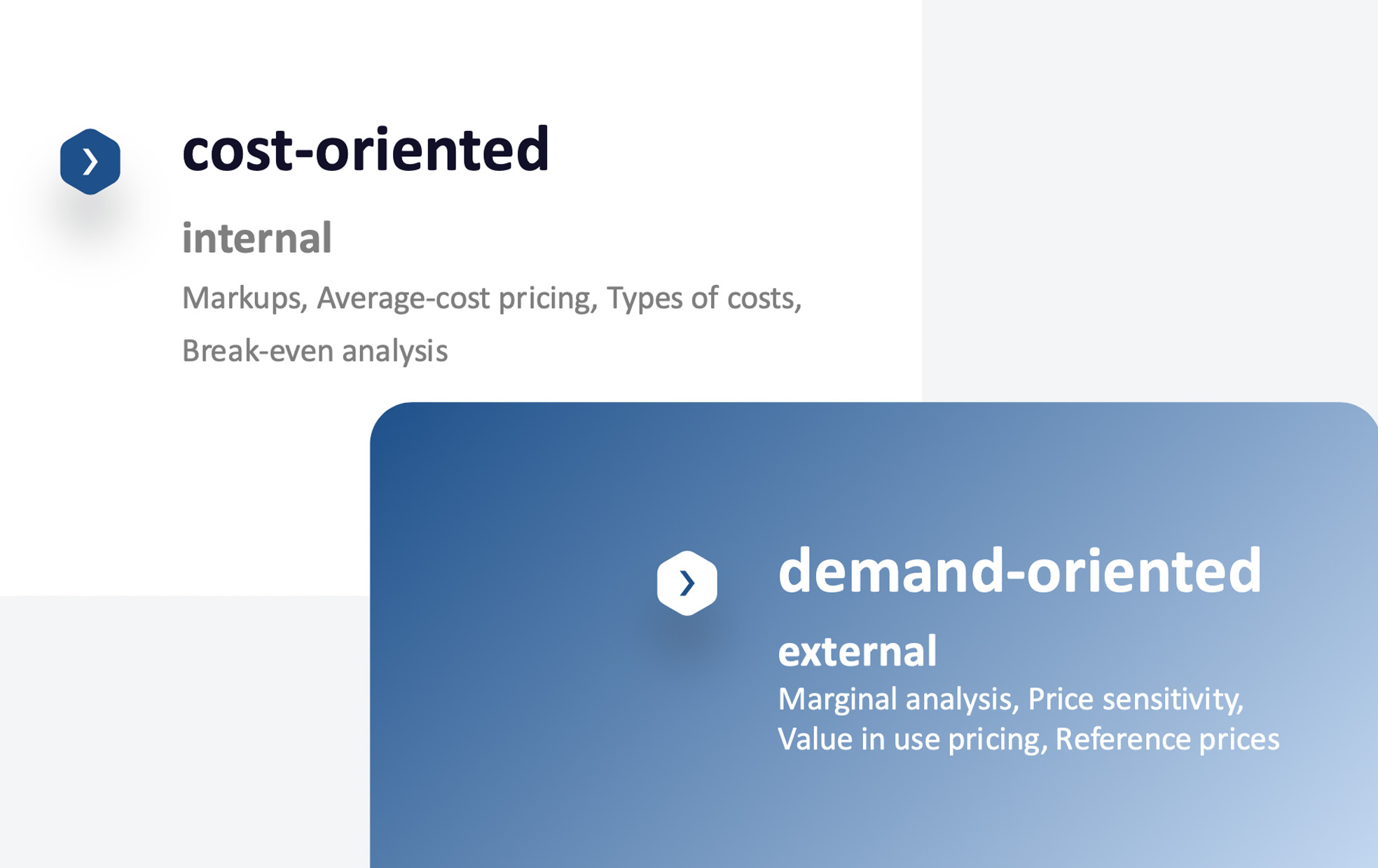
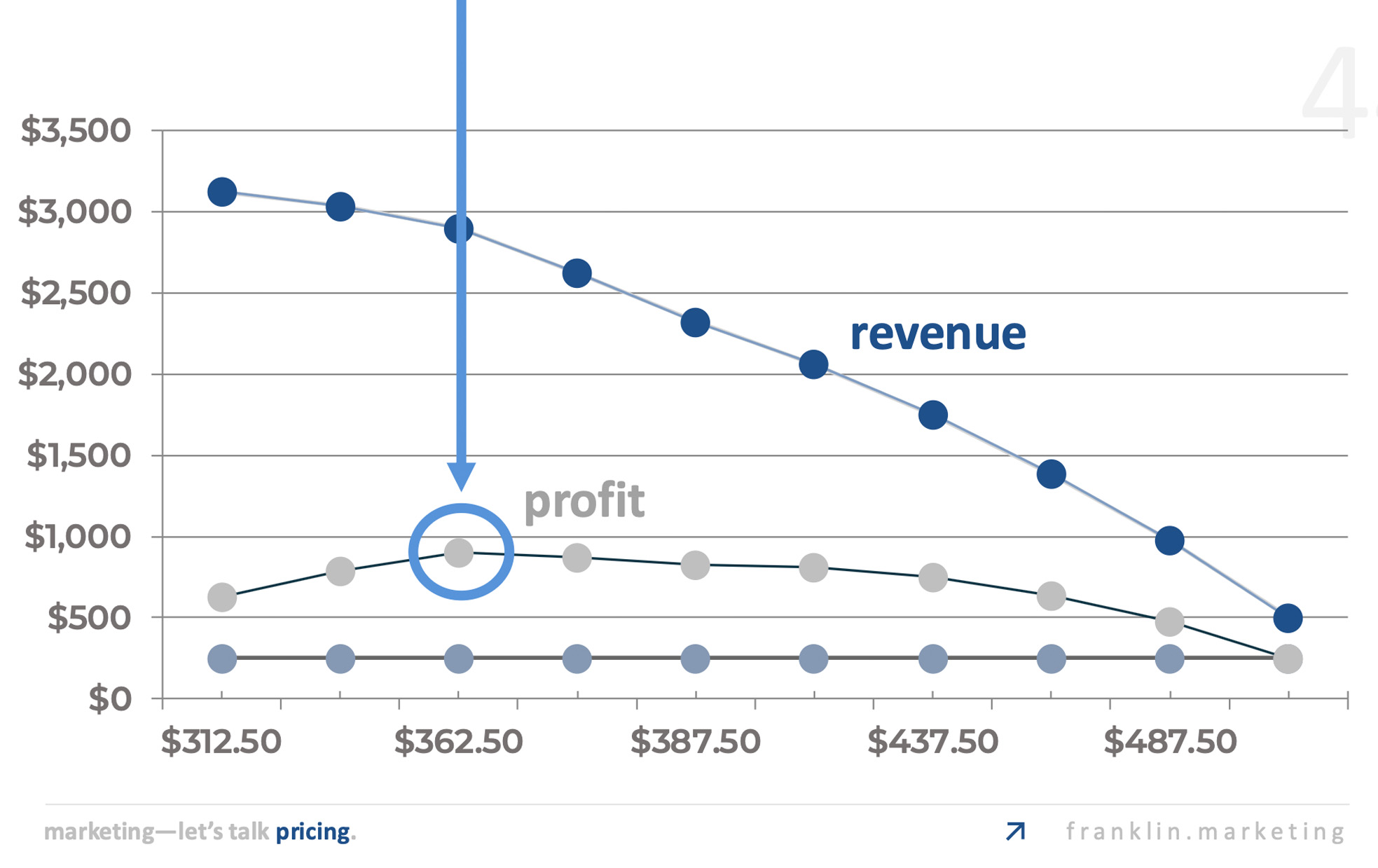
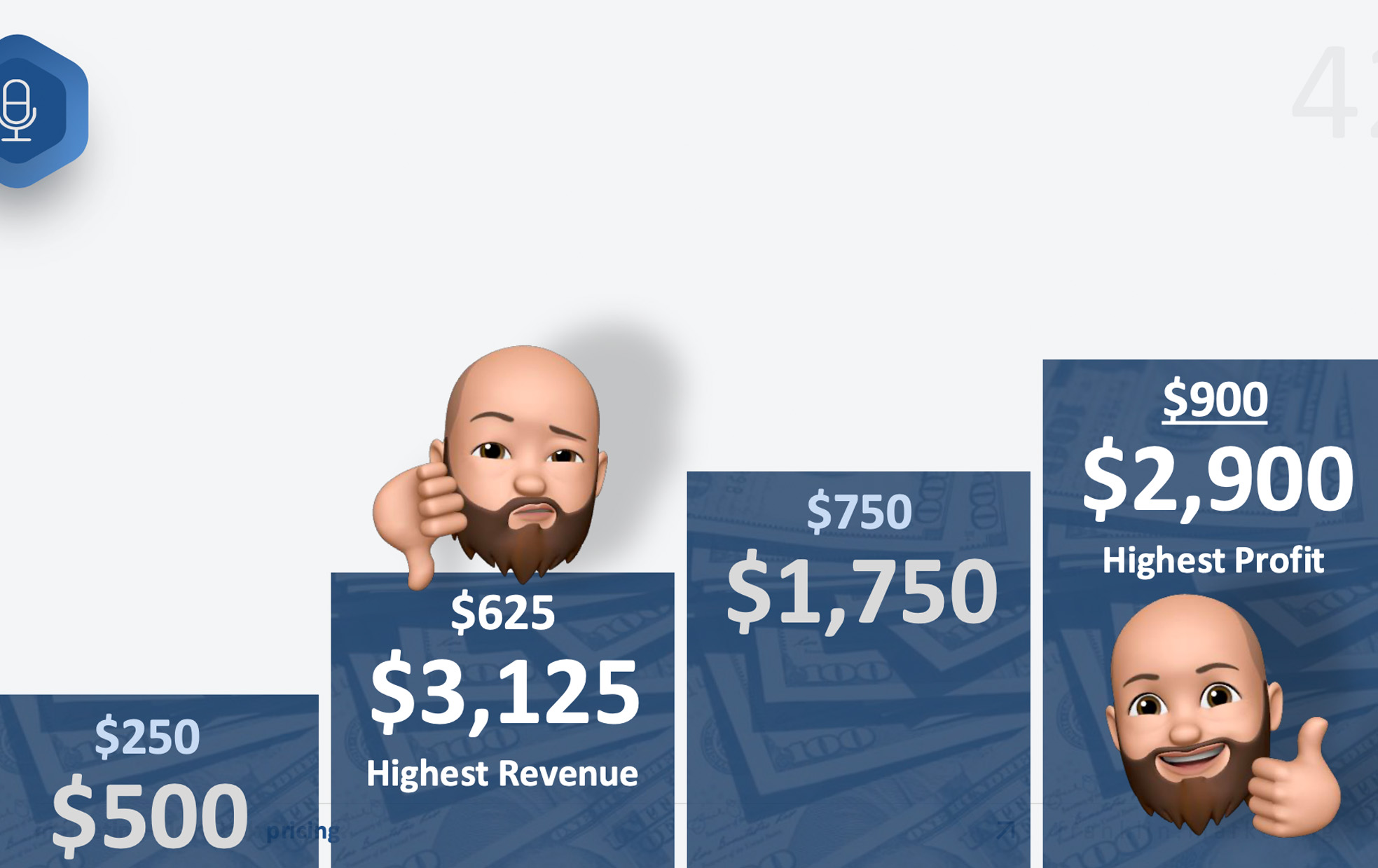
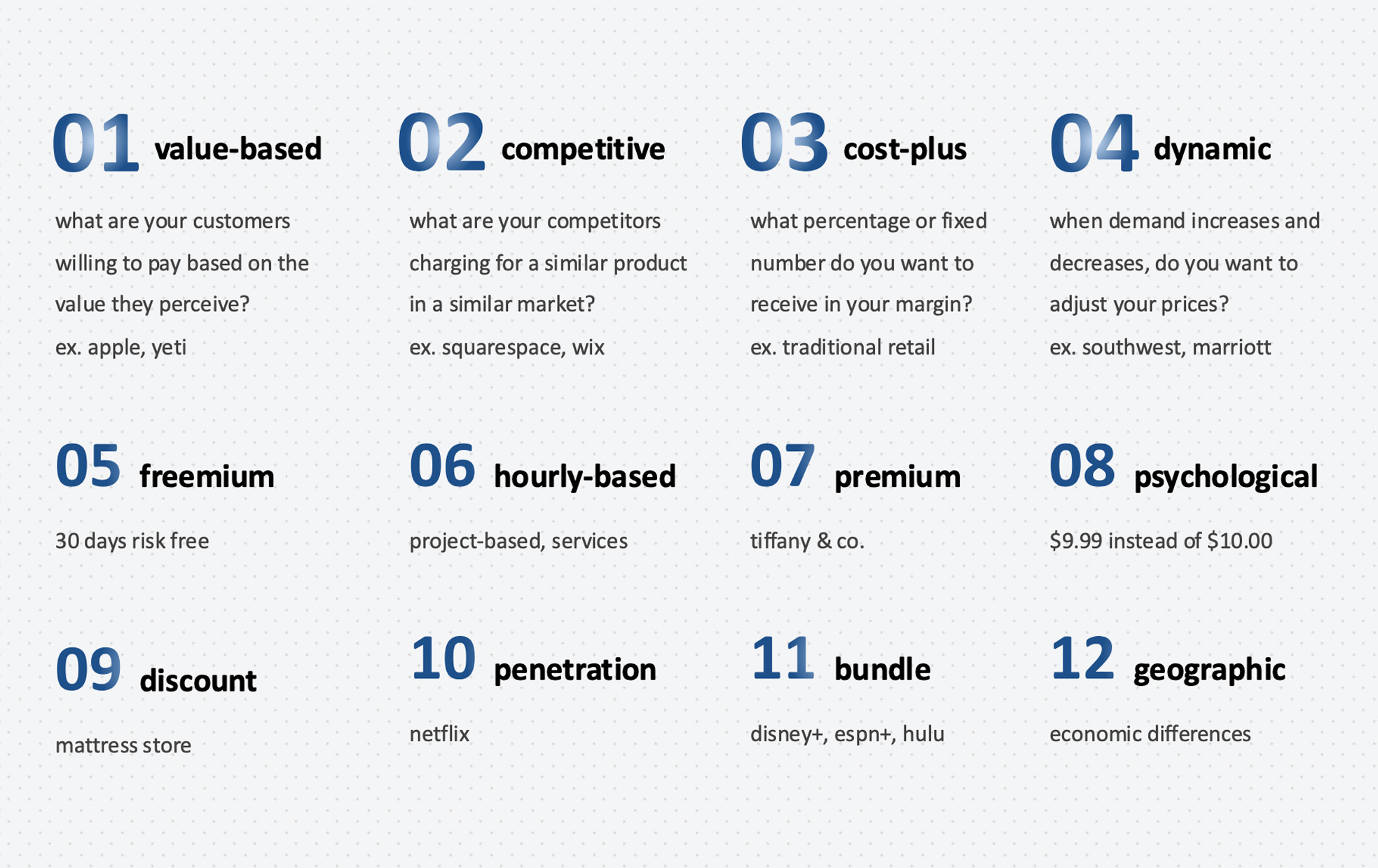
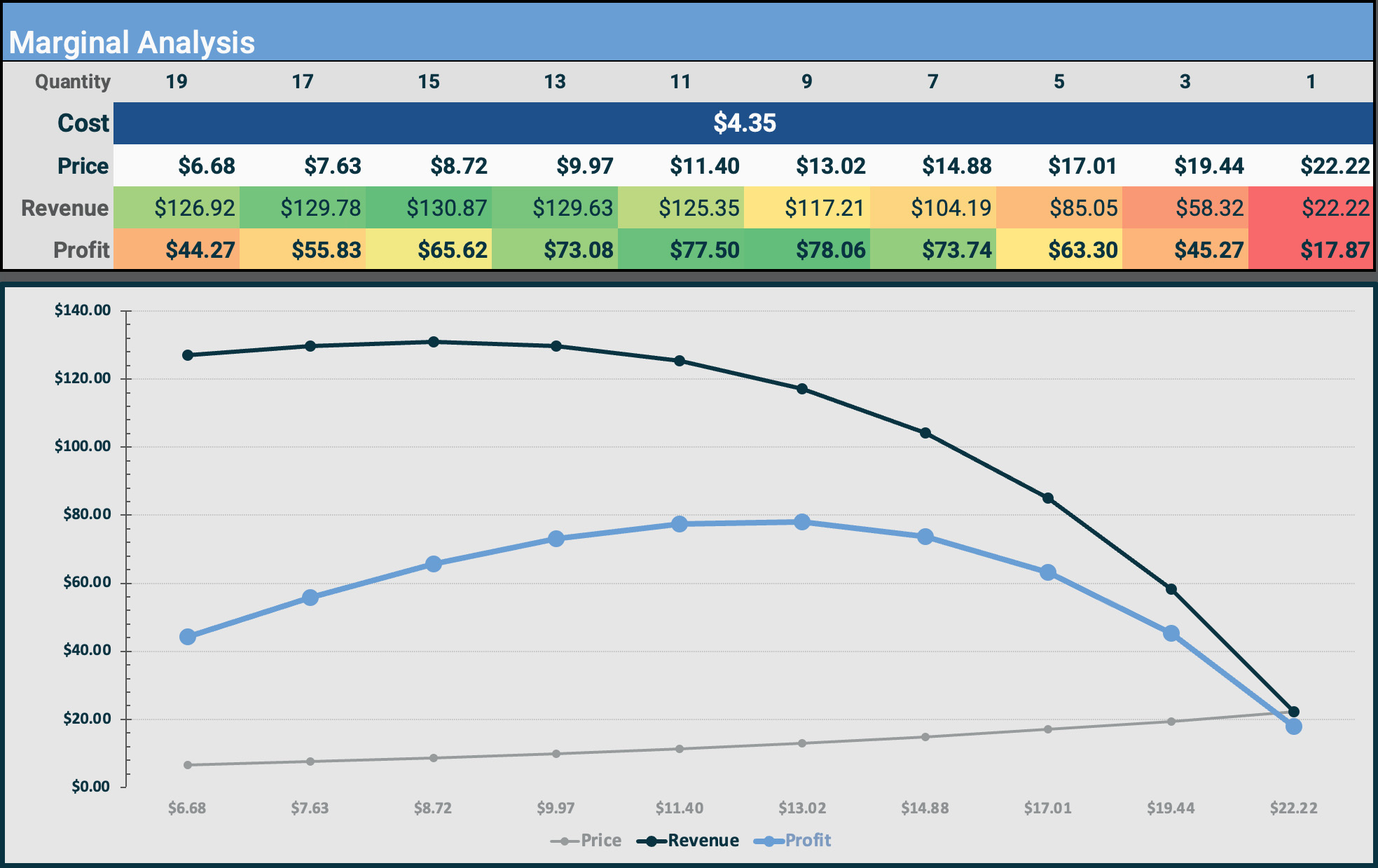
From there the intimidating stuff gets teachable: cost- versus demand-oriented pricing, twelve strategies with brands they already know as practical examples, and marginal “what-if” thinking that shows why the highest price and the highest revenue are usually not the highest profit.
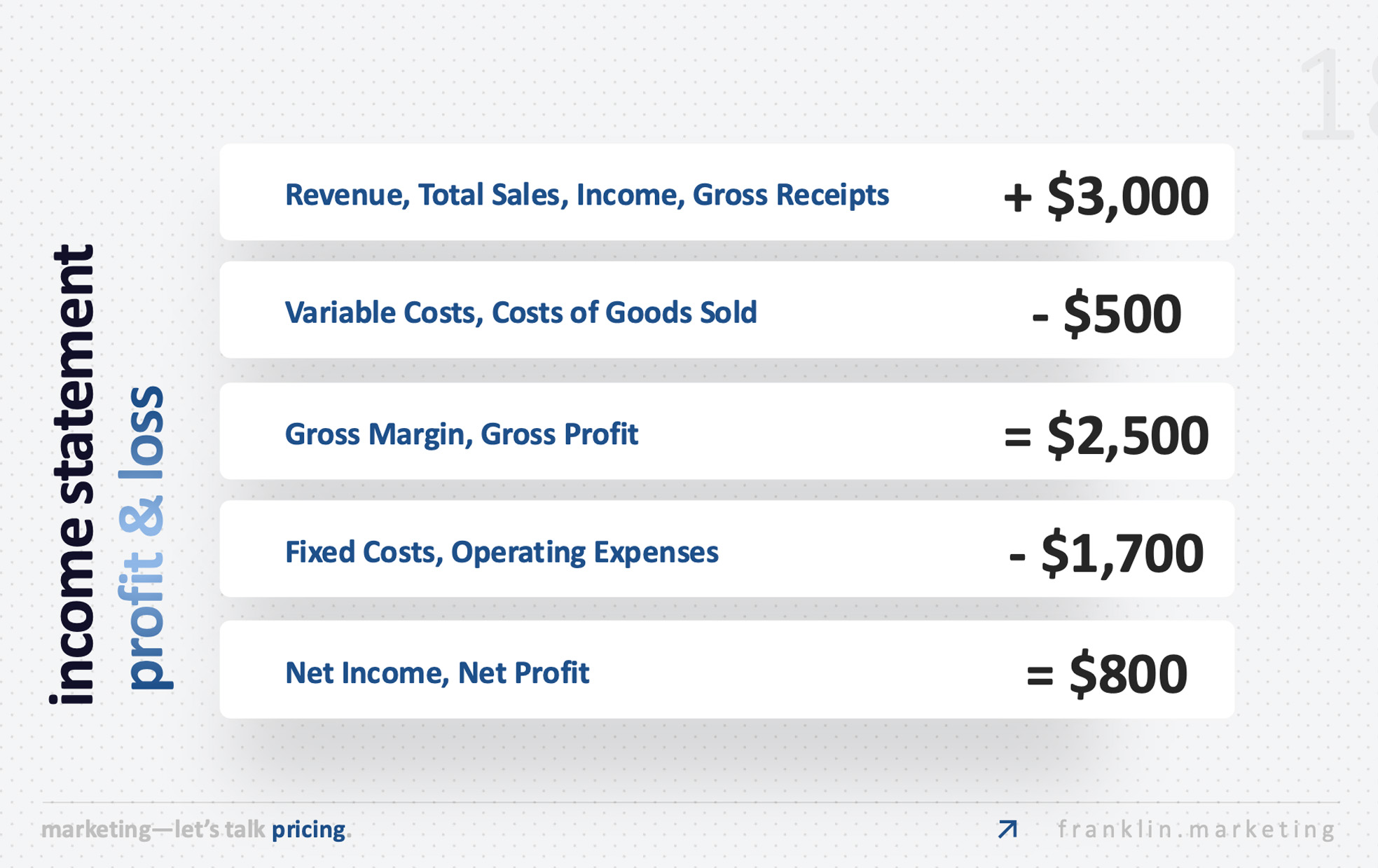
Workshop slide comparing a household budget to a business income statement
Start where they are
A household budget and an income statement, side by side — same math, new names.
Workshop slide showing twelve pricing strategies with familiar brand examples
Strategies they can point to
Twelve ingredients in pricing strategy, each tied to a brand they already buy from.
Marginal analysis worksheet showing price, revenue, and profit at different quantities
“What-if” thinking
Marginal analysis in plain sight — the highest price and the highest revenue are usually not the highest profit.
“I'm definitely surveying my customers — it was something I've never done. It shows that I'm interested in solving their problems.”
— Academy alumna, class survey
The Strategy

Pricing is marketing.

Most pricing classes teach formulas. This one teaches that price is a customer decision — one of the levers a business controls, sitting right beside brand, community, and communication. Know your costs so you can survive. Know your customer so you can thrive.

A $1M business at a 5% margin puts $50K in your pocket. The same business at 20% changes a family's future. For entrepreneurs building an economic engine for their households, that's not theory.

The Class

Built like a workshop, not a lecture.
Ninety minutes that move — definitions entrepreneurs can repeat, brands they recognize standing in for every strategy, and their own numbers on the table before the night is over. Everything walks out the door with them: printed materials in hand, and QR codes to take the whole thing home.
Slide sorting pricing into cost-oriented and demand-oriented approaches
Jargon simplified into two buckets
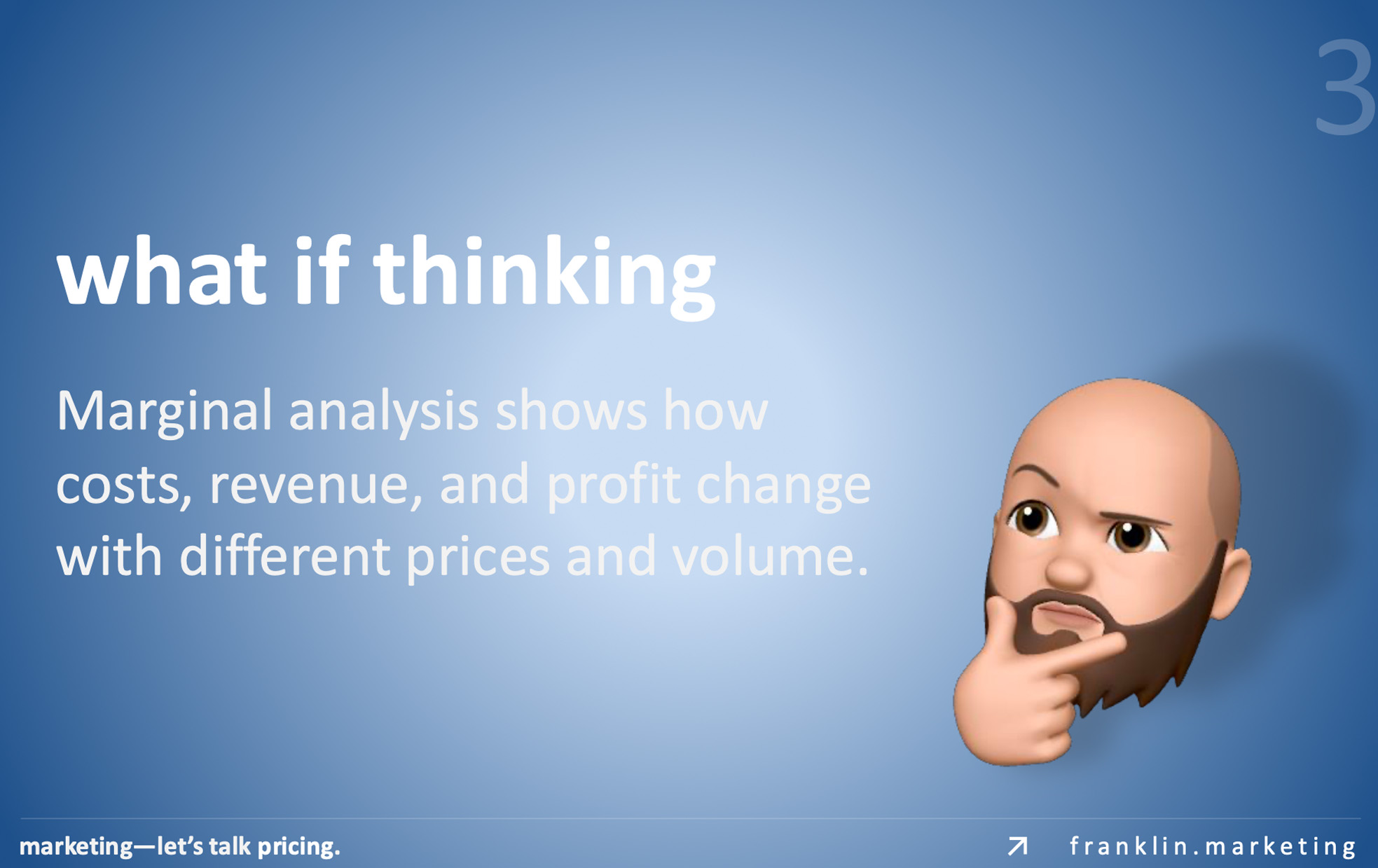
Workshop slide teaching what-if thinking through marginal analysis
Teaching to ask "what if"
Chart comparing revenue and profit across different price points
Simplifying scary math with easy to use tools
Slide showing how profit margin changes what a business puts in the owner's pocket
The margin math that changes a family's future
The Feedback Loop

We teach listening. So the class gets surveyed like a customer.

After every session, Corner to Corner surveys every seat, and we read all of it together — the kind words and the honest ones. After the first class, the honest ones said: more hands-on, less presentation, let us work our own numbers before we leave.

By the next session, there were printed pricing and cost worksheets at every seat, a marginal analysis worksheet built for working in the room, and QR codes to take everything home. One class. That's how long feedback took to become the curriculum — which is exactly what we'd tell any of those entrepreneurs to do with their own businesses.

Academy alumni — class surveys
"The class gave me not only helpful tools to determine my pricing, but the way the information was shared allowed me to understand HOW to do so. The same night, I refined my 'Why' to align with my pricing demand."
"He was a great speaker & broke down a lot of principles that go with pricing strategies that I never thought about. Pricing is more than just your product or service price."
"Can there be a part 2 of this class?"
"I really enjoyed his perspective on marketing and how it intertwines with pricing."
The Outcome

The review that matters is the reorder.

Season after season, the invitation comes again — the same class, requested by the alumni, back on the calendar for the next cohort. Corner to Corner directors tell us it's the course entrepreneurs keep asking for.

We measure it more simply: they've never had to look for a pricing facilitator since.
Corner to Corner Logo
T.J. from Franklin Marketing has led our Pricing Strategy class for many years now. The purpose of this class is to challenge our new entrepreneurs to dig deeper into their pricing by looking at market research, competition, cost plus models and helping them understand that charging more is not the answer to higher profits. Our entrepreneurs walked away with extreme understanding, practical techniques and tangible tools to help them with their pricing. We will be learning more from Franklin Marketing in the next few weeks during our next Pricing Strategy class.
Jaron Spicer
Academy Alumni Director — Corner to Corner
What we carry forward

Teaching is customer-ing.

The students are the customer, the class is the product, and their feedback is the market talking. If we taught listening and didn't listen, the class would fail twice.

The best survey score we've received isn't on any survey — it's the next email asking if we're available.

What's your story?

We'd love to hear it. We'll tell you honestly whether we can help — and where we'd start.